

Welcome to Space to Succeed
Making Space for the Next Generation of Scientists.
Expanding access to space science education, resources, and research opportunities for scholars in underfunded communities.
Discover Space to Succeed

Get an inside look at undergraduate research through student interviews and REU spotlights.
Shared Experiences

Application Templates
Find practical tools for writing emails, preparing applications, and building your resume.
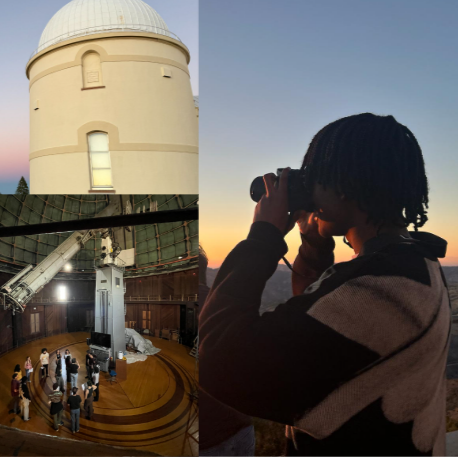
Opportunities
Discover research programs, scholarships, and pathways into science.
Space to Succeed is an educational initiative focused on expanding access to space science education for young women and scholars in underfunded communities. Through hands-on workshops, mentorship, college advising, and soon-to-come curriculum development, the project aims to introduce students to fields like astronomy, physics, and planetary science that are often absent from their school curricula. By integrating these subjects into existing high school science courses and connecting students with women working in STEM, Space to Succeed seeks to provide earlier exposure to scientific careers and create pathways to higher education and opportunities in science.
Latest From The Blog
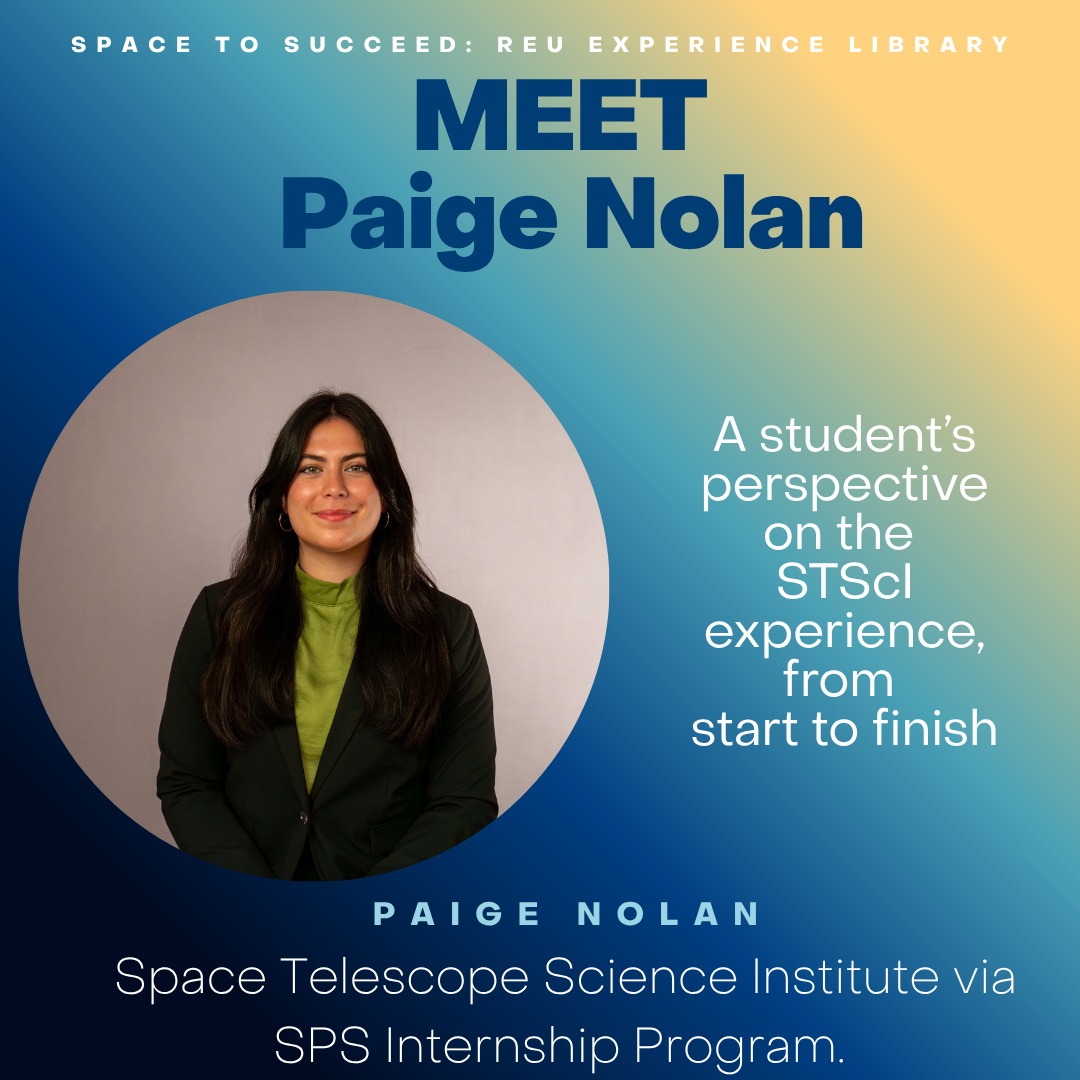
Behind the Research: Paige’s Experience with the Space Telescope Science Institute
A look into undergraduate research, astronomy, and the experiences that shape future scientists.
Read the article →
October 19th, 2026


The Person Behind the Platform
Savaria Parrish founded Space to Succeed to make opportunities in space science more accessible to students who may not know where to begin. Through research experiences, mentorship, and outreach, she has seen how much access to information can change someone's path.
A New Chapter for Space to Succeed
Space to Succeed is growing! Beginning Fall 2027, Space to Succeed will work directly with middle and high schools through educational workshops, college advising, and STEM outreach. Through these programs, we hope to expand access to higher education and introduce students in underfunded communities to opportunities in science.